🚀 Before We Start
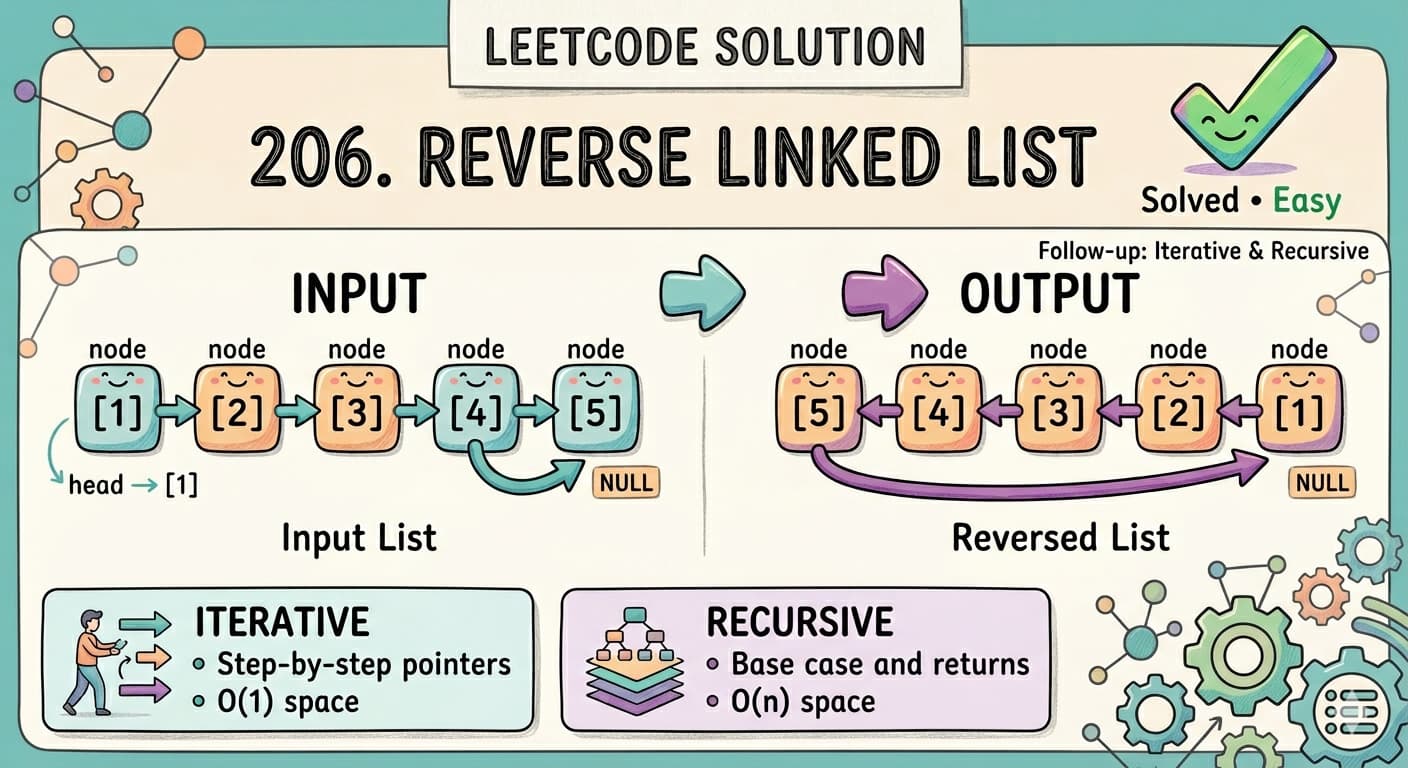
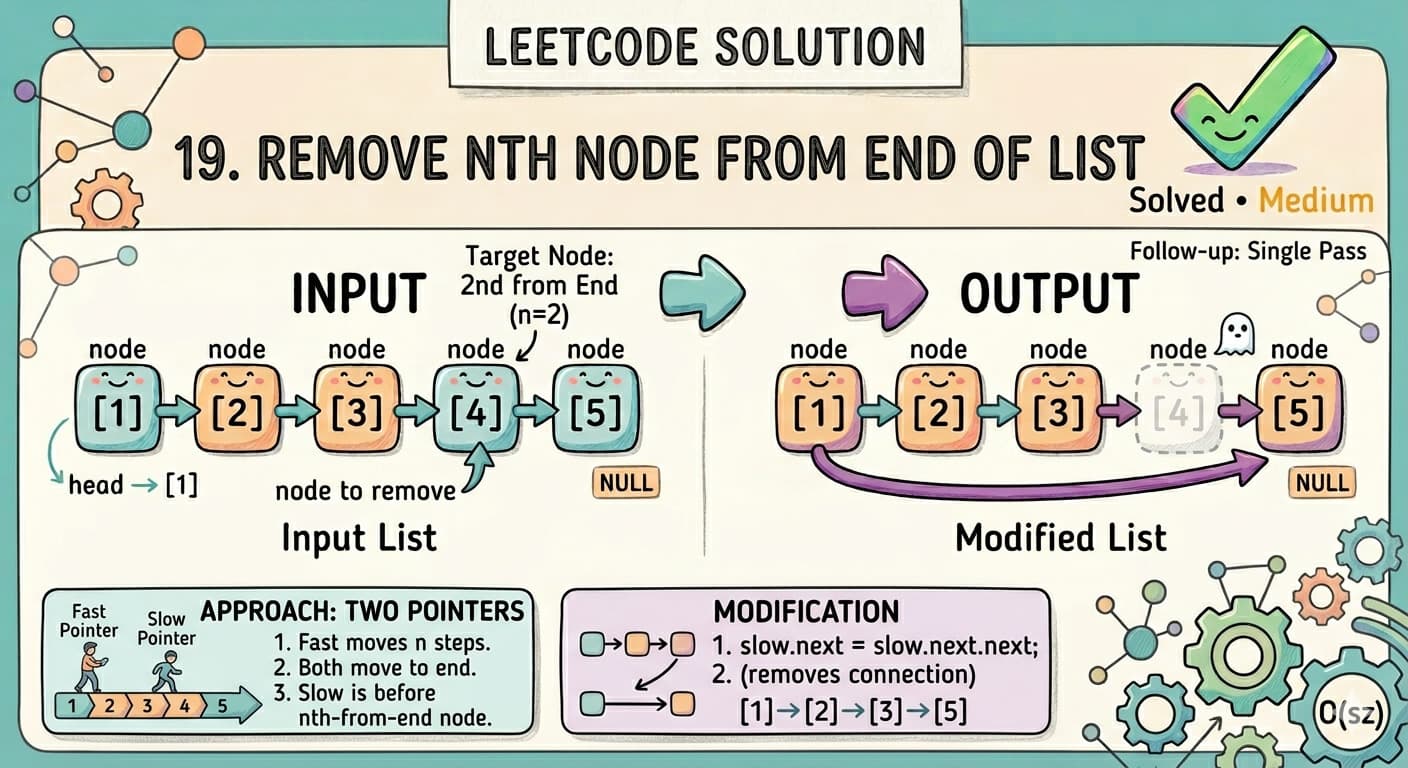
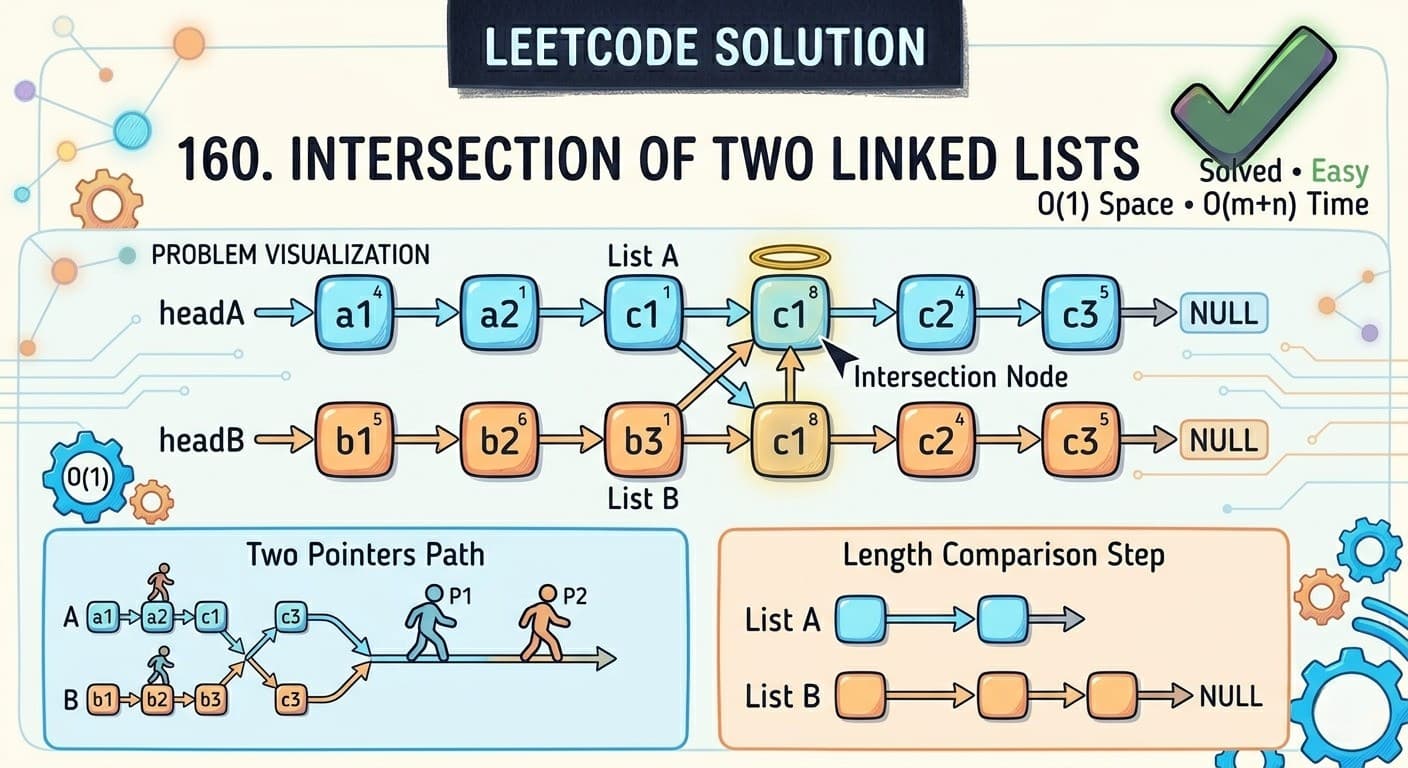
Try these problems (optional but helpful):
🤔 Let’s Talk Honestly…
When you first learn this technique, you’re told:
👉 “Slow moves 1 step, fast moves 2 steps”
👉 “If they meet → cycle exists”
But your brain asks:
❓ Why 2 steps?
❓ Why do they meet at all?
❓ Why does resetting pointer find cycle start?
❓ Is this magic or logic?
👉 Let’s answer each doubt one by one.
🧩 Doubt 1: Why do we even use two pointers?
❓ Question:
Why not just use one pointer?
✅ Answer:
With one pointer:
- You can only move forward
- You cannot detect loops efficiently
👉 Two pointers create a relative motion
That relative motion is the key.
🧩 Doubt 2: Why fast = 2 steps and slow = 1 step?
❓ Question:
Why exactly 2 and 1?
✅ Answer:
We need:
So that:
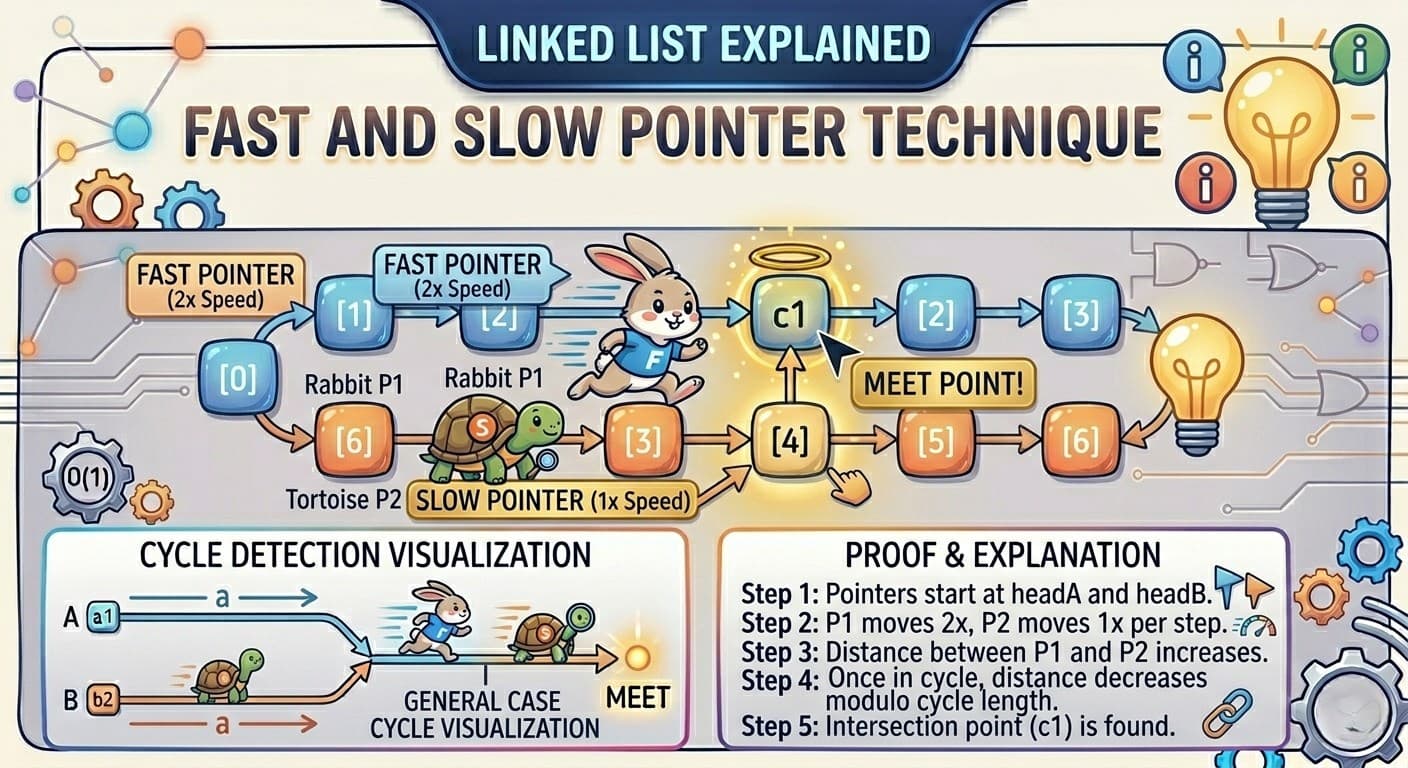
👉 Fast catches up to slow
🧠 Think like this:
If both move same speed:
👉 They will NEVER meet ❌
If:
👉 Fast gains 1 node every step
🔥 Key Insight:
👉 This means fast is closing the gap by 1 node every step
🧩 Doubt 3: Why do they ALWAYS meet in a cycle?
❓ Question:
Okay, fast is faster… but why guaranteed meeting?
🧠 Imagine a Circular Track
Inside a cycle, the list behaves like:
Now:
- Slow moves 1 step
- Fast moves 2 steps
🔄 Gap Behavior
Each step:
Because fast is catching up.
Eventually:
👉 They meet 🎯
💡 Simple Analogy
Two runners on a circular track:
- One is faster
- One is slower
👉 Faster runner will lap and meet slower runner
🧩 Doubt 4: What if there is NO cycle?
❓ Question:
Why does this fail without cycle?
✅ Answer:
If no cycle:
List ends → fast reaches null
👉 No loop → no meeting
🧩 Doubt 5: Where do they meet?
❓ Question:
Do they meet at cycle start?
❌ Answer:
No, not necessarily.
They meet somewhere inside the cycle
🧩 Doubt 6: Then how do we find the cycle start?
Now comes the most important part.
🎯 Setup
Let’s define:
a = distance from head to cycle start
b = distance from cycle start to meeting point
c = remaining cycle
Cycle length:
λ = b + c
🧠 What happens when they meet?
Slow distance:
a + b
Fast distance:
2(a + b)
Using relation:
2(a + b) = a + b + kλ
Solve:
a + b = kλ
=> a = kλ - b
=> a = (k-1)λ + (λ - b)
💥 Final Meaning
a = distance from meeting point to cycle start
🔥 BIG CONCLUSION
👉 Distance from head → cycle start
👉 = Distance from meeting point → cycle start
🧩 Doubt 7: Why resetting pointer works?
❓ Question:
Why move one pointer to head?
✅ Answer:
Because:
- One pointer is
aaway from start - Other is also
aaway (via cycle)
👉 Move both 1 step:
They meet at:
Cycle Start 🎯
🔄 Visualization
Head → → → Cycle Start → → Meeting Point → → back to Start
Both pointers:
- One from head
- One from meeting point
👉 Same distance → meet at start
🧩 Doubt 8: Can we use fast = 3 steps?
❓ Question:
Will this work?
✅ Answer:
Yes, BUT:
- Math becomes complex
- Harder to reason
- No extra benefit
👉 So we use simplest:
2 : 1 ratio
🧠 Final Mental Model
Think in 3 steps:
1. Different Speeds
Fast moves faster → gap reduces
2. Circular Structure
Cycle → positions repeat
3. Guaranteed Meeting
Finite positions + relative motion → collision
🧩 TEMPLATE 1: Detect Cycle
🧩 TEMPLATE 2: Find Cycle Start
🧩 TEMPLATE 3: Find Middle of Linked List
❓ Problem
Find the middle node of a linked list.
🧠 Intuition
Fast moves twice as fast:
When fast reaches end → slow reaches half
👉 Slow = middle
💻 Code
⚠️ Even Length Case
1 → 2 → 3 → 4 → 5 → 6
👉 Returns 4 (second middle)
❓ How to Get First Middle?
🧩 Where Else This Technique Is Used?
- Detect cycle
- Find cycle start
- Find middle node
- Check palindrome (linked list)
- Split list (merge sort)
- Intersection problems
⚙️ Time & Space Complexity
Time: O(n)
Space: O(1)
❌ Common Mistakes
- Forgetting
fast.next != null - Thinking meeting point = cycle start ❌
- Not resetting pointer properly
🧠 Final Mental Model
Think in 3 steps:
1. Speed Difference
Fast moves faster → gap reduces
2. Circular Nature
Cycle → repeated positions
3. Guaranteed Meeting
Finite nodes + relative motion → collision
🔥 One Line to Remember
Fast catches slow because it reduces the gap inside a loop.
🚀 Conclusion
Now you understand:
✅ Why fast moves faster
✅ Why they meet
✅ Why meeting proves cycle
✅ Why reset gives cycle start
✅ How to find middle using same logic
👉 This is not just a trick…
It’s a mathematical guarantee based on motion and cycles.
💡 Master this once, and you’ll solve multiple linked list problems easily.